BUGS UNDER THE LENS:
A CLOSER LOOK AT SMALL FLY PATTERNS
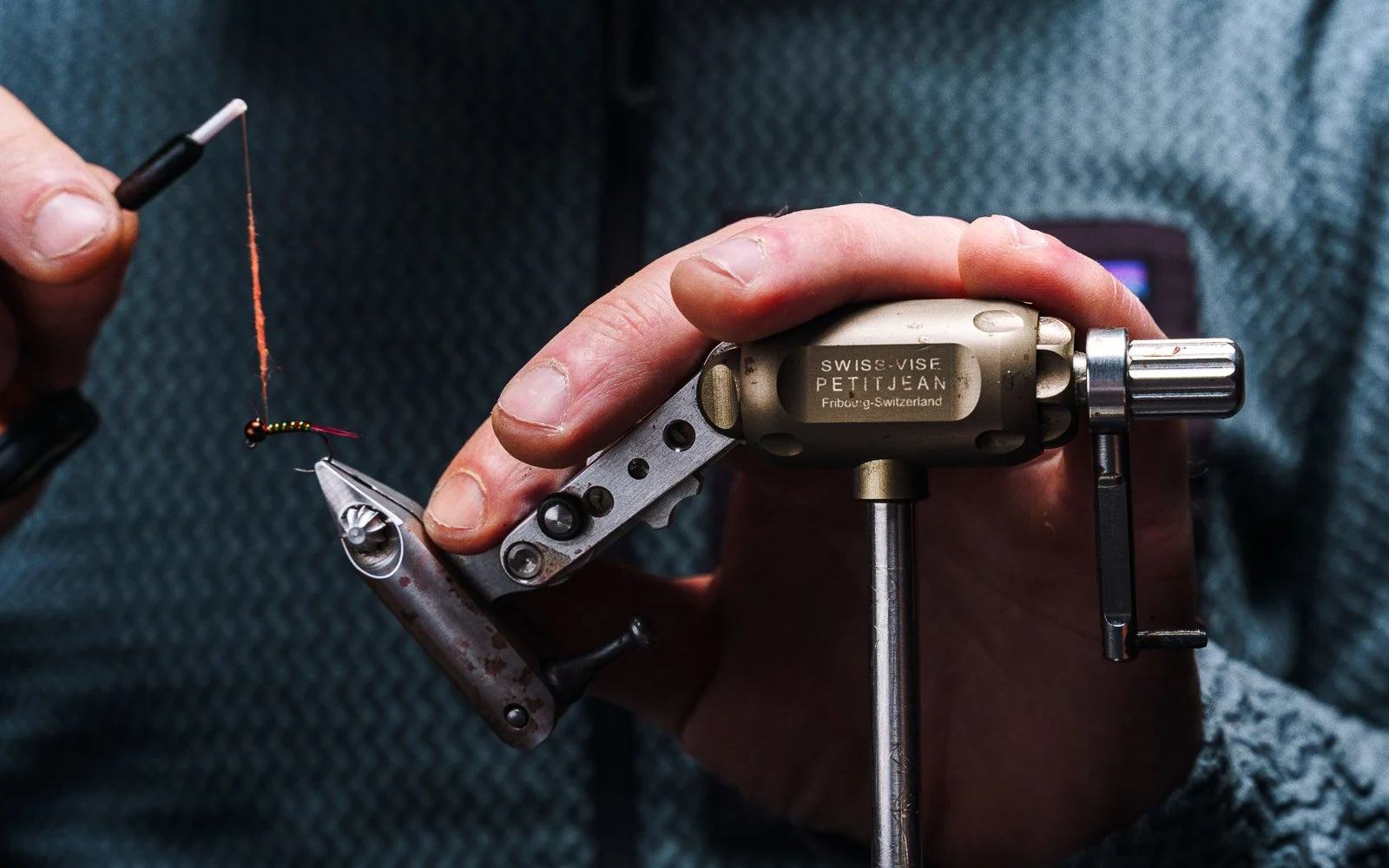
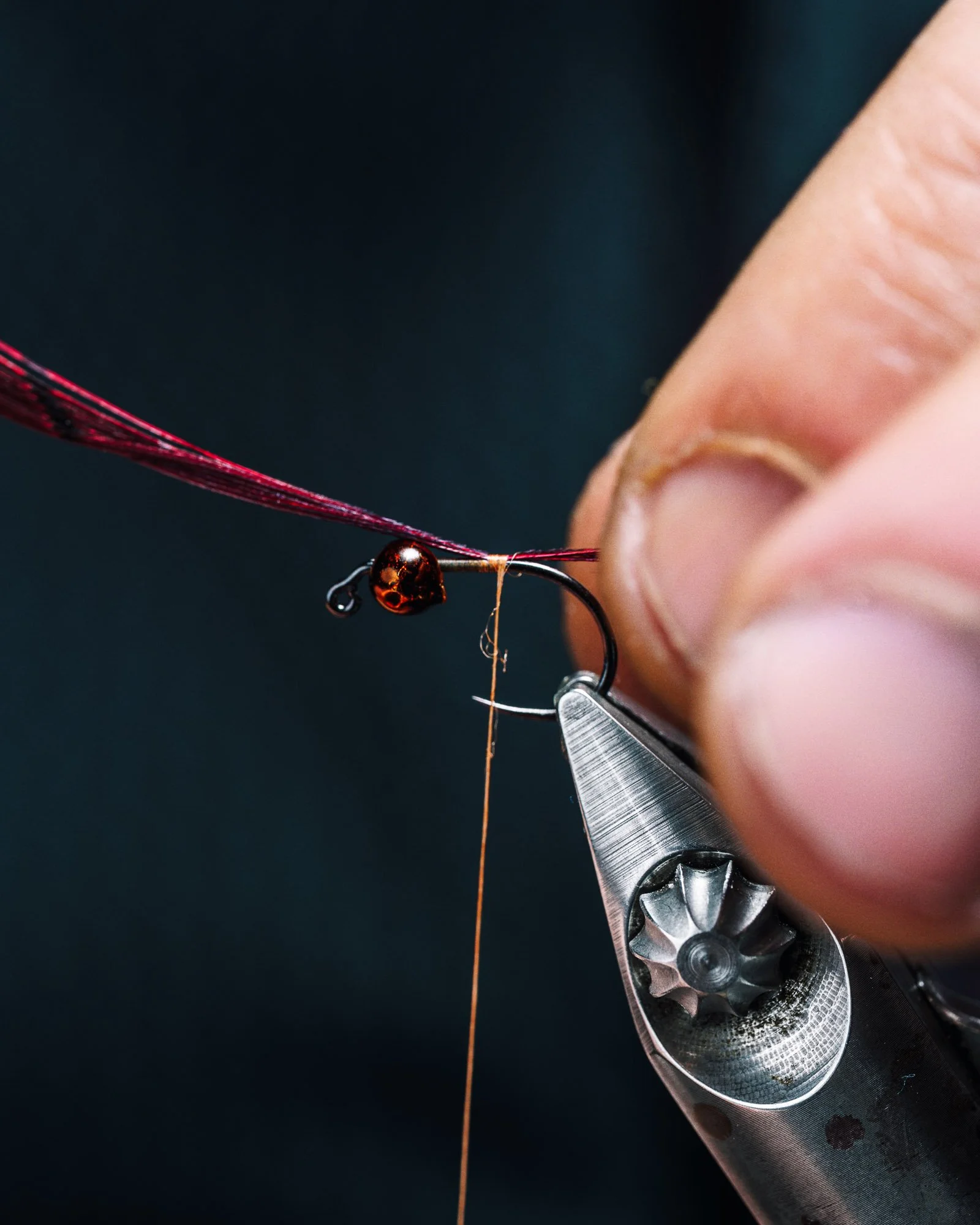
A well-tied fly is a tiny piece of craftsmanship. Every turn of thread, every carefully placed feather and every fibre serves a purpose. But capturing all those details in a photograph is a challenge of its own.
Photographing small fly patterns requires patience, precision and an understanding of what makes each fly unique. From delicate dry flies to intricate nymphs and soft hackles, the goal is to showcase the materials, proportions and craftsmanship that go into every pattern.
A Closer Look at Fly Tying
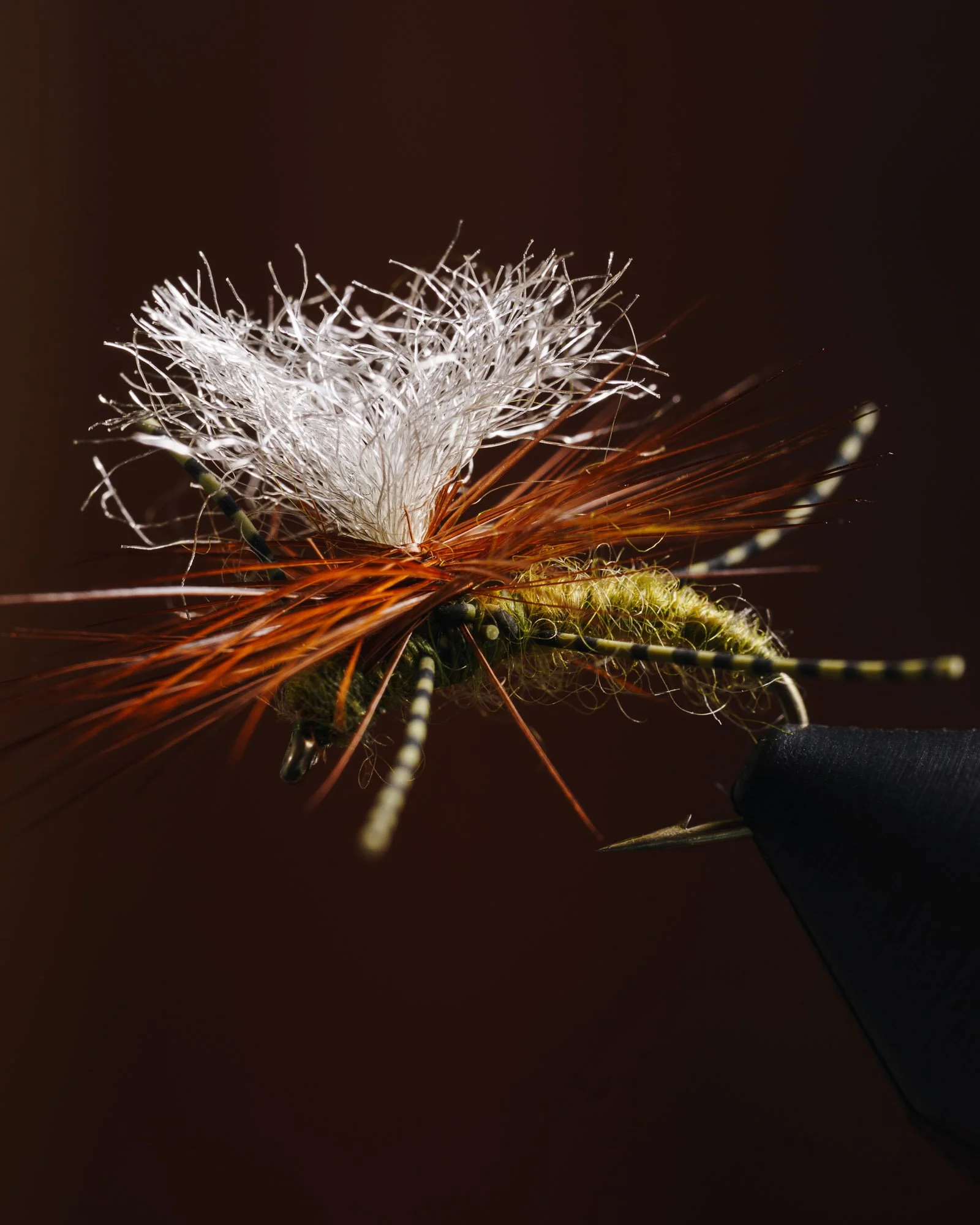
When you're holding a size 18 dry fly between your fingers, it's easy to overlook just how much detail goes into it. Under a macro lens, however, an entirely different world reveals itself.
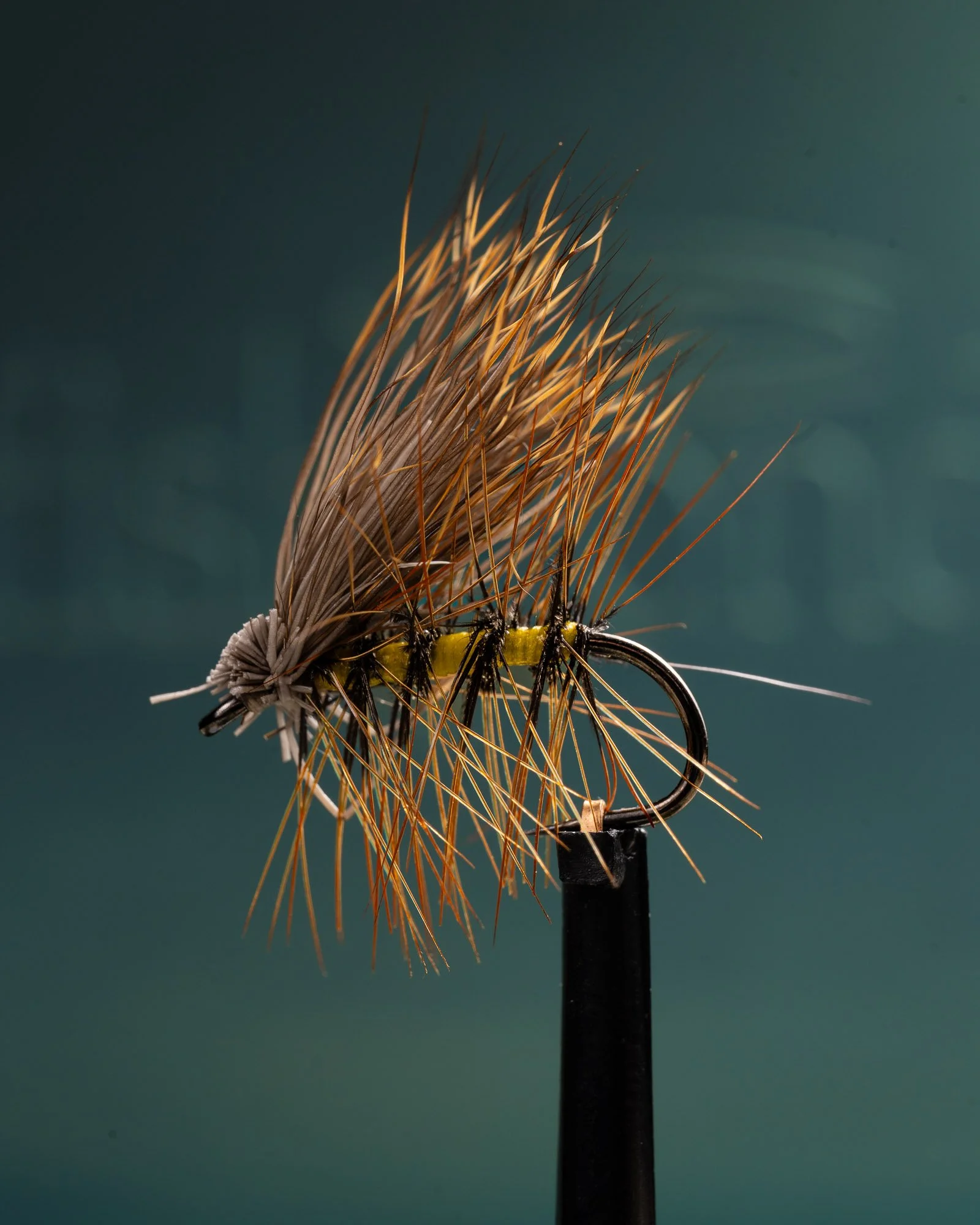
Individual hackle fibres become visible, the texture of dubbing comes to life and the subtle colours of natural feathers suddenly stand out.
For fly tyers, these details matter. A good photograph should do more than make a fly look attractive. It should help viewers understand its construction, identify the materials used and appreciate the skill behind the finished pattern.
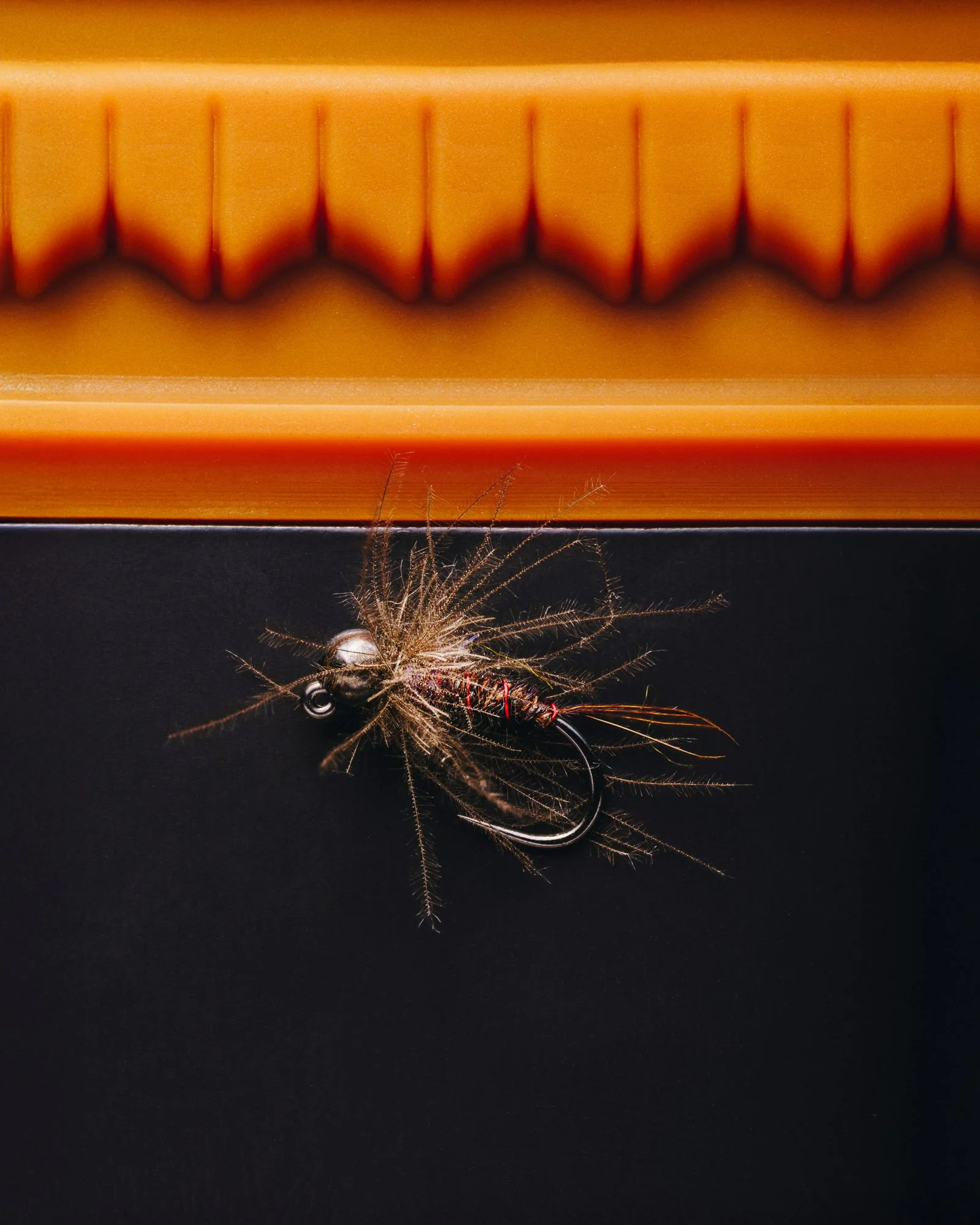
One of the biggest challenges when photographing small flies is achieving sufficient sharpness.
At high magnifications, the depth of field becomes extremely shallow. Even with a relatively small aperture, only a fraction of the fly may appear sharp.
Focus stacking is one way to overcome this limitation. By capturing several images at slightly different focus distances and combining them in post-production, it's possible to show the entire fly in sharp detail.
Lighting is equally important. Soft, diffused light helps reveal the texture of feathers, dubbing and thread without creating distracting reflections on hooks, beads or synthetic materials.
The trick is to preserve the fly's natural appearance while making its finest details visible.
Getting the Details Right
Every Pattern Has Its Own Character
Not all flies should be photographed in the same way.
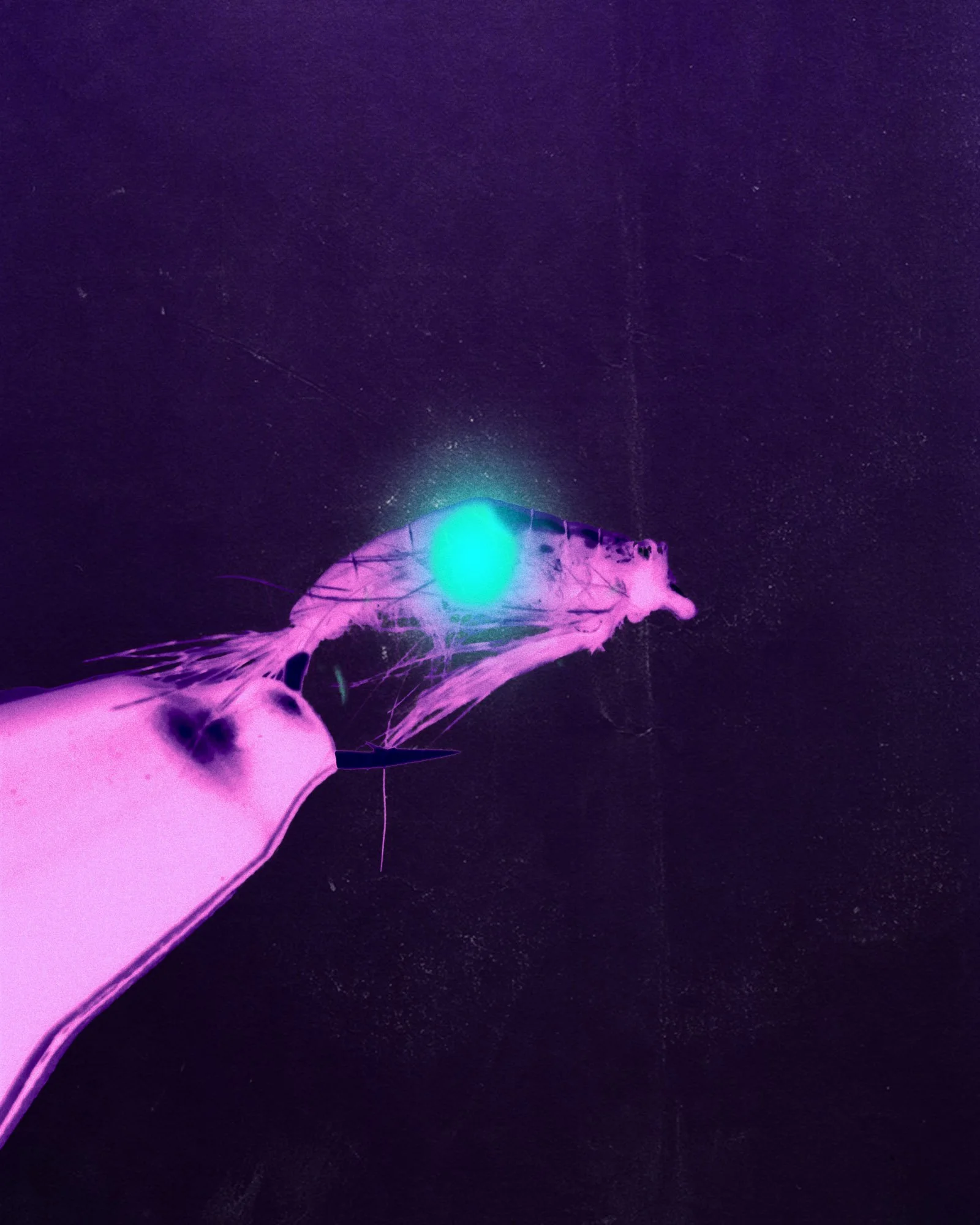
A dry fly might be best presented from the side, revealing its silhouette, hackle and wing proportions. A nymph with a tungsten bead benefits from lighting that brings out the contrast between its metallic head and textured body.
Soft hackles, on the other hand, are all about movement. Their delicate fibres are designed to come alive underwater, and a photograph should capture that lightness rather than making the fly appear stiff or lifeless.
The same applies to traditional materials such as Coq de León feathers, where the natural markings and subtle colour variations are often the most interesting details.
Choosing the right angle and lighting for each pattern is what turns a simple product photograph into a meaningful representation of the fly.
Why Good Fly Photography Matters
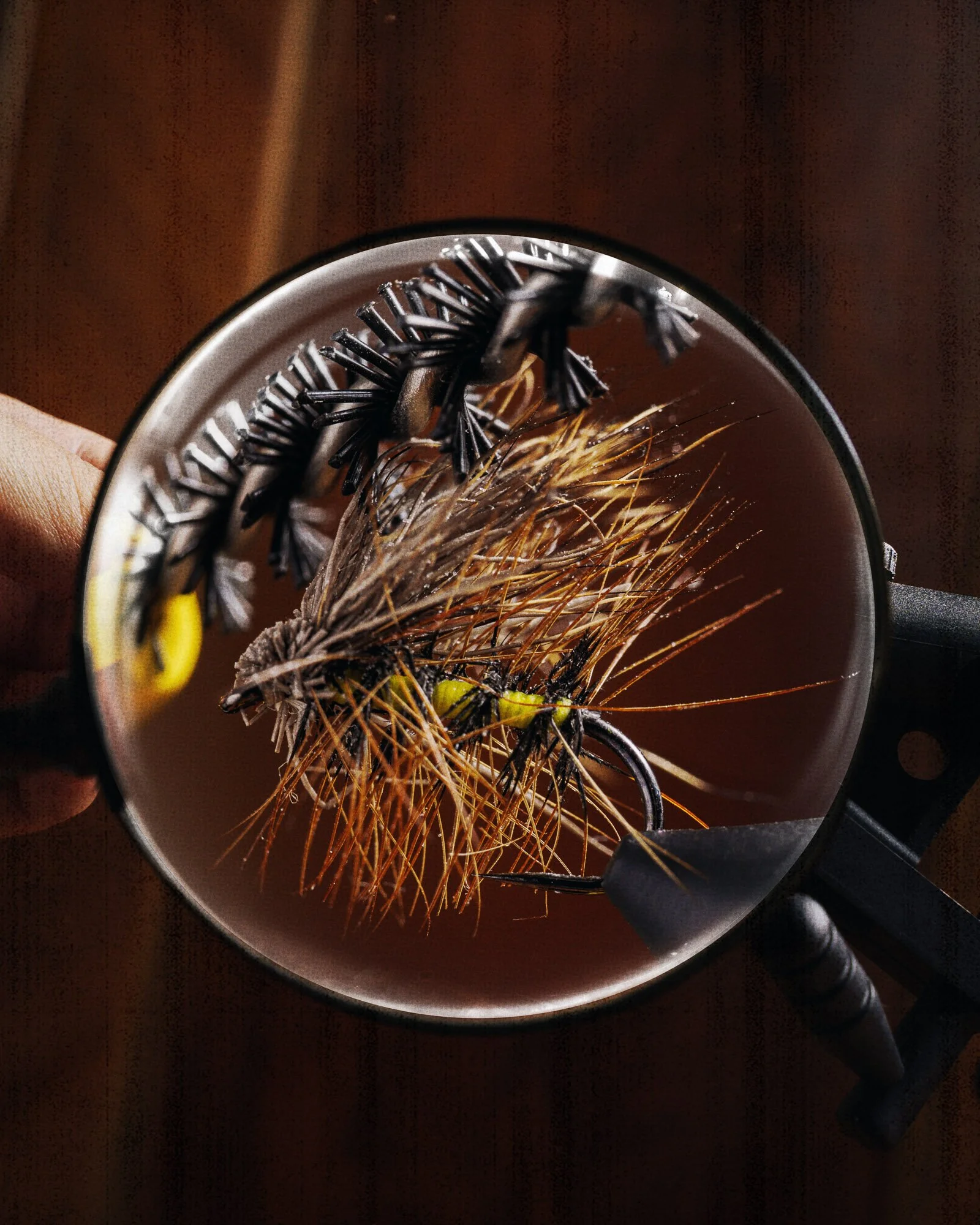
For fly tyers, clear photographs are a valuable reference. They reveal proportions, construction techniques and material choices that might otherwise be difficult to recognise.
For anglers, they make it easier to compare patterns, understand their intended applications and choose the right flies for different fishing conditions.
And for those who simply appreciate the craft, macro photography offers an opportunity to discover the remarkable amount of work that goes into something so small.
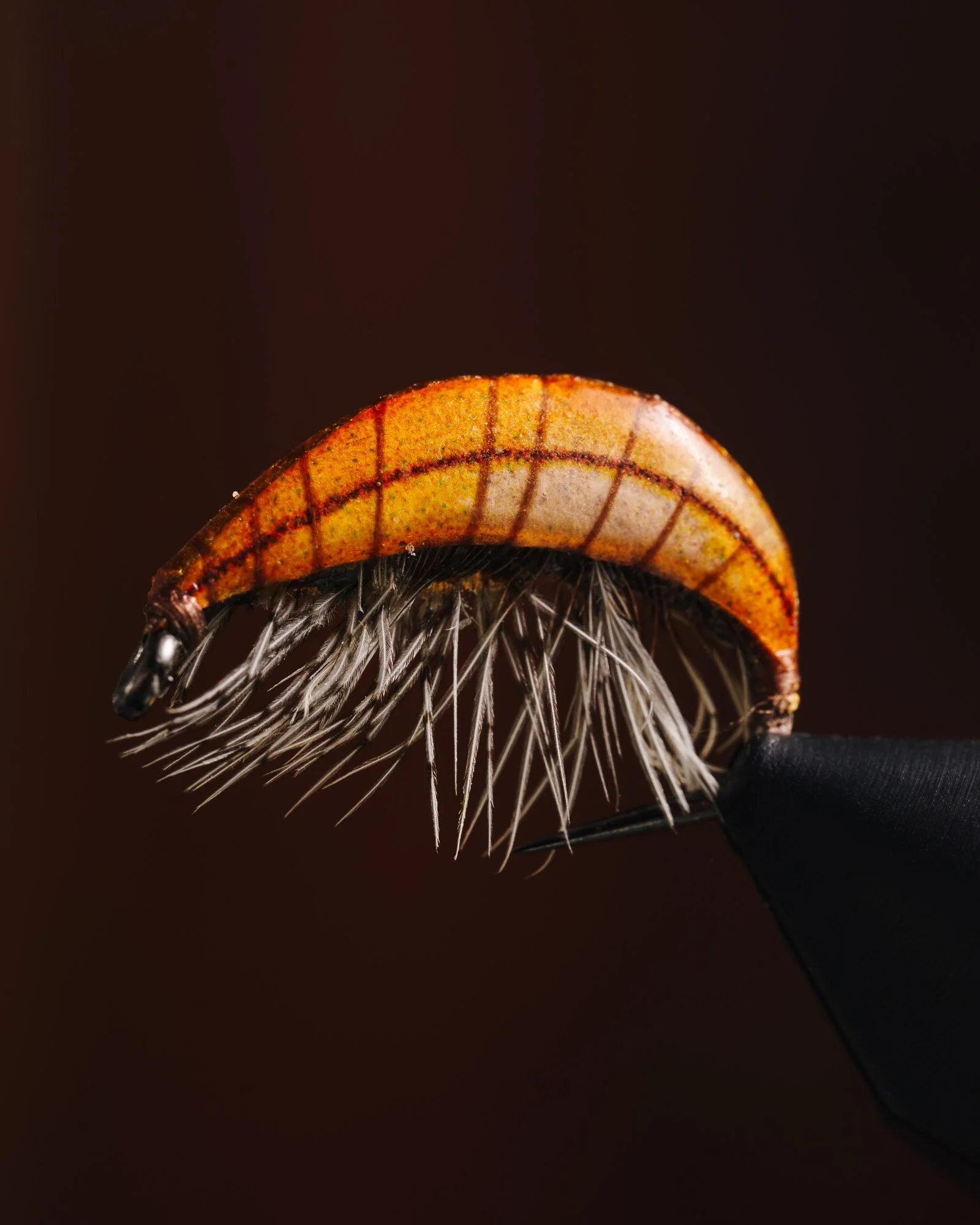
Appreciating the Little Things
Fly fishing often teaches us to pay attention to details. The insects drifting along the surface, the subtle movement of a fish or the way light catches a feather. Photographing flies is an extension of that same curiosity. Sometimes, it takes looking a little closer to appreciate just how much there is to see.